

THe Blog
Answering Your Questions: Can I Eat Fruit and Lose Weight at the Same Time?
Recently, a client asked me a question like this. She was having a conversation with an old friend who had noticed her progress on her weight loss journey. The friend complimented her, and then made a comment along the lines of, “You should probably avoid fruit if you want to keep losing weight.”
In this series, I’m answering some of the most common fitness and nutrition questions that we hear from clients, see online, or have been asked by real people.
Recently, a client asked me a question like this. She was having a conversation with an old friend who had noticed her progress on her weight loss journey.
The friend complimented her, and then made a comment along the lines of, “You should probably avoid fruit if you want to keep losing weight.”
Although it was well-intended, it left my client feeling a bit confused. So she asked me about it during our next session.
My assumption would be that perhaps the friend had heard somewhere that:
Sugar is bad → Fruit contains sugar → Therefore, fruit isn’t good for fat loss.
There is also the consideration that someone might be pre-diabetic or have diabetes, in which case monitoring blood sugar and carbohydrate intake may be advised by their doctor or dietitian. But context matters.
I think it’s important to mention that no single food is going to determine whether you can or cannot lose weight. Just the same as no single exercise is going to help you get a flatter stomach. Weight loss, just like all aspects of fitness, requires a balanced approach.
What About Sugar and Weight Loss?
Another consideration with the sugar and weight loss debate is that sugar can cause blood sugar to rise, and for some people, this can be followed by a drop in energy or increased hunger. This can potentially make it easier to overeat.
Now, I think this is a valid consideration. But it’s not complete.
Fruit doesn’t just contain sugar. It also contains water, fibre, vitamins, minerals and other nutrients that support your health, energy and recovery.
The fibre in fruit can also slow down digestion and the absorption of its natural sugars. This means that eating a piece of fruit is not the same thing as eating a candy bar, even though both contain sugar.
And even in that context, a person can still eat the occasional candy bar and lose weight.
Fruit Isn’t Just Sugar
This is where I think the conversation around sugar can become a little too simplistic.
If we look at a piece of fruit, we’re not just looking at the sugar content. We’re looking at the whole food.
An apple, for example, contains water and fibre as well as naturally occurring sugar. It also takes some time to eat and provides a decent amount of food for the calories it contains.
Compare that to drinking a sugary drink. It can be very easy to consume a significant amount of sugar and calories without feeling particularly full.
This doesn’t mean sugary drinks or chocolate bars are automatically going to stop someone from losing weight. It just means the foods we eat can affect hunger, fullness and how easy it is to manage our overall calorie intake.
The bigger picture matters.
So, Can You Eat Fruit and Lose Weight?
Yes. Absolutely.
In fact, fruit can be a really useful food to include when trying to lose weight.
It can satisfy a craving for something sweet while also providing fibre, water and nutrients. It can be a simple snack, added to breakfast, or included with a meal.
The important thing is that your overall diet supports your goal.
If you’re eating a reasonable amount of calories, getting enough protein, eating plenty of nutritious foods and staying active, there’s no reason that fruit needs to be removed just because it contains sugar.
What About Diabetes or Prediabetes?
This is where individual circumstances matter.
If someone has diabetes, prediabetes, or another condition that affects blood sugar regulation, their nutritional needs may be different. In that situation, it’s important to follow the advice of your doctor or registered dietitian.
That still doesn’t automatically mean fruit is off the menu.
It means the person's overall diet and individual needs need to be considered.
This is one of the reasons I don't like broad statements such as “never eat sugar” or “fruit is bad for weight loss.” Nutrition is rarely that simple.
What Actually Matters for Fat Loss?
This is probably the most important part of the whole article.
No single food is going to determine whether you lose weight. You can eat fruit and lose weight. You can also eat chocolate and lose weight. You can enjoy a dessert from time to time and still make great progress. What matters much more is what your overall diet looks like.
Are you eating enough protein?
Are you eating plenty of fruit and vegetables?
Are most of your foods minimally processed and nutrient-dense?
Are you eating enough to support your training and recovery, without consistently eating more energy than your body needs?
Are you staying active and exercising regularly?
Those questions are much more useful than simply asking whether a particular food contains sugar.
The Precision Nutrition information on sugar makes a similar point. Sugar itself isn't some uniquely harmful substance that automatically causes weight gain. Total energy intake, activity, food choices, individual differences and other lifestyle factors all play a role.
The Bottom Line
If someone tells you that you need to stop eating fruit because it contains sugar, don't panic.
Fruit contains sugar, but that doesn't make it a bad food for fat loss. Look at the whole food and, more importantly, look at your overall diet.
For most people, a healthy approach to nutrition doesn't require removing individual foods out of fear. It requires finding a balance that supports your goals while still allowing you to enjoy what you eat.
So yes, you can eat fruit and lose weight. And if you enjoy fruit, there’s really no good reason to be afraid of it.
How Long Does It Take to See Results from Strength Training?
Usually, people feel results before they see them. Most people think of results as just looking different in the mirror, but that’s only part of it.
In this series, I’m answering some of the most common fitness and nutrition questions that we hear from clients, see online, or have been asked by real people.
Usually, people feel results before they see them.
Most people think of results as just looking different in the mirror, but that’s only part of it. Better energy, sleeping better, feeling stronger, moving easier, having fewer aches through the day — those are all results too, and they often show up first.
For most people, the first 2 to 4 weeks are mostly about adjusting. You’re learning movements, getting used to training, and probably feeling sore in places you haven’t used properly in a while.
By around weeks 3 to 4, things usually start feeling a bit better. Workouts feel less awkward, your recovery improves, and your body starts adapting.
Then around weeks 5 to 8, that’s when people often start noticing more obvious progress. Strength tends to go up, stamina improves, and you may notice your clothes fitting a bit differently or certain movements feeling way easier than they did at the start.
For a lot of people, visible changes start becoming more noticeable around 8 to 12 weeks, especially if they’ve been training consistently.
That said, there’s no exact timeline. It depends on things like:
consistency
recovery
sleep
nutrition
stress
and where you’re starting from
Also, one thing people don’t realise is that early strength gains are often neurological. Your body is getting better at using the muscle you already have, which is why you can feel stronger before you actually look different.
That’s why I always say: don’t just rely on the mirror.
Track your lifts. Take progress photos. Pay attention to your energy, your recovery, and how your body feels day to day.
Because if you stay consistent, the results do come — most people just stop before they give it enough time.
Answering Your Questions: Why Am I Not Losing Weight Even Though I’m Exercising?
This can feel incredibly frustrating. You’re putting in the work, moving your body, maybe even working out multiple times a week… but the scale won’t budge.
In this series, I’m answering some of the most common fitness and nutrition questions that we hear from clients, see online, or have been asked by real people.
This can feel incredibly frustrating. You’re putting in the work, moving your body, maybe even working out multiple times a week… but the scale won’t budge.
Here’s the truth: exercise is important, but weight loss is driven primarily by what and how much you eat. Well, to be more exact, it’s about being in a deficit with your overall energy balance.
Let’s Clear One Thing Up
Exercise burns calories, yes. But not as many as most people think. One tough workout might burn some decent calories, but those same calories can return to the body with just a single pastry with your morning coffee.That’s not to say exercise doesn’t help (it absolutely does and we highly encourage it), but if your goal is fat loss, your nutrition habits will play a much bigger role.
Common Reasons the Scale Isn’t Moving
You’re eating more than you realise. It’s easy to underestimate portions or forget about small extras throughout the day. For example, the oils added to cooking can easily add an extra few hundred calories to your meals. A tablespoon of peanut butter vs a heaped tablespoon of peanut butter makes a difference. An extra coffee with cream and sugar adds to the daily totals. By themselves, these things are fine, but together, they add up.
You’re building muscle. Especially if you’re strength training. Muscle is denser than fat, so your body may be changing even if your weight stays the same. This is super important, because sometimes people can feel disheartened looking at the scale but their body composition might have completely changed.
Your body is holding water. Stress, poor sleep, sore muscles, or hormonal fluctuations can all cause temporary water retention. Because of this, it’s worth tracking multiple times a week and taking the average number to account for fluctuations. We also recommend taking multiple measurements and tracking stats i.e. photos, body measurements, and weight.
You’re not in a calorie deficit. At the end of the day, fat loss requires consuming fewer calories than you burn. When you do this consistently, you will lose weight. This is why tracking food for a short period or working with a coach can be so helpful, because iit brings awareness to your habits.
What to Focus On Instead
Are your clothes fitting differently?Are you feeling stronger or more energetic?Are you sleeping better or managing stress more effectively?These are all signs of progress that matter more than the number on the scale.Also, try using multiple forms of tracking: body measurements, progress photos, or how your workouts are going. We break this down more in our post on Can I Lose Fat and Build Muscle at the Same Time?
Final Thoughts
Weight loss isn’t always linear and the scale doesn’t always reflect the work you’re putting in.Stick with your training. Focus on improving your habits. And if you’re unsure where to adjust, schedule a free assessment and we’ll help you figure out what’s holding you back — and how to move forward confidently.
Answering Your Questions: If I’m Not Sweating, Is My Workout Still Working?
A lot of people associate a “good workout” with being drenched in sweat or feeling completely wiped out afterward. So if you finish a session without needing a towel or a lie-down, you might wonder: Was that even effective? Let’s unpack it.
In this series, I’m answering some of the most common fitness and nutrition questions that we hear from clients, see online, or have been asked by real people.
Q: If I’m Not Sweating, Is My Workout Still Working?
A: A lot of people associate a “good workout” with being drenched in sweat or feeling completely wiped out afterward.
So if you finish a session without needing a towel or a lie-down, you might wonder: Was that even effective?
Let’s unpack it.
What Sweating Really Means
Sweating is your body’s way of cooling itself down and not a direct indicator of how hard you're working or how many calories you're burning.
You can sweat a lot during a workout because it’s hot outside, you’re well-hydrated, or your body simply tends to sweat more. And on the flip side, you can have a highly effective strength session and barely sweat at all.
So sweating isn’t a key indication as to whether you worked out effectively or not.
What Actually Makes a Workout Effective
In short, an effective workout is the one that is most intentional for what you’re trying to achieve. If your goal is fat loss, muscle gain, improved mobility, or longevity, then the best sessions are ones that consistently challenge your body in a smart, sustainable way.
That might look like:
Improving your form and technique
Lifting more weight or doing more reps than last week
Building stability, control, or coordination
Recovering well and coming back stronger
None of these depend on how sweaty you get.But it’s okay if you sweat more. Just make sure you stay well hydrated.
We talk more about building balanced training routines in Workout Smarter, Not Harder.
But What If I Like Feeling Sweaty?
There’s nothing wrong with enjoying a sweat. Some people find it helps them mentally “switch off,” feel accomplished, or de-stress. That’s great. A workout that gets your heart rate up and leaves you sweating can be a great way to feel good. It can also help with the release of toxins from the body, similar to the benefits of sauna use.
But it’s important to recognize that those feelings can be part of the experience, not the only measure of success.
The Bottom Line
Sweating doesn’t equal results. Some of the most beneficial workouts, especially strength training, mobility work, or recovery sessions - might not leave you out of breath or soaked through.
If you’re doing high intensity sports, cardiovascular exercise i.e. running, swimming, cycling, then you’re more likely to sweat. The goal isn’t to crawl out of the gym every time. The goal is to train in a way that builds you up, not breaks you down.
So if you’re not sweating buckets after every session, don’t worry, your body might still be doing exactly what it needs to make progress.
If you’re not sure your workouts are aligned with your goals, book a free assessment and we’ll help you dial it in with the right mix of challenge, variety, and recovery.
Answering Your Questions: Can I Lose Fat and Build Muscle at the Same Time?
The typical bodybuilding routines often revolve around bulking or cutting. In other words, you're either doing one or the other. But many people aren’t looking to become a bodybuilder. They just want to build a strong, lean, and healthy physique to support their day-to-day lifestyle and long-term health.
In this series, I’m answering some of the most common fitness and nutrition questions that we hear from clients, see online, or have been asked by real people.
Q: Can I Lose Fat and Build Muscle at the Same Time?
A: When starting out in the fitness industry, the most common goal or phrase I would hear was, “I want to lose weight and tone up.” So the question then comes: can both be achieved at the same time?
Yes, it is possible to do both at the same time, especially under the right conditions.
The typical bodybuilding routines often revolve around bulking or cutting. In other words, you're either doing one or the other. But many people aren’t looking to become a bodybuilder. They just want to build a strong, lean, and healthy physique to support their day-to-day lifestyle and long-term health.
It’s important to understand a few key factors if you want this to actually work.
What Does It Mean to “Recomp”?
The technical term for losing fat and gaining muscle at the same time is body recomposition (or “recomp” for short). Instead of just trying to drop weight on the scale, you’re focusing on improving your body composition: lowering fat mass and increasing lean muscle.
If you’ve ever used a body composition scale, it likely tells you your fat mass and lean mass. The goal here is to reduce fat mass while increasing lean mass. I’ve found that when most of the ‘lose weight and tone up’ people usually just mean reduce body fat and build some lean muscle.
This is why someone can look noticeably leaner and stronger even if the number on the scale doesn’t change much.
Who Is It Best Suited For?
Recomp works especially well for:
Beginners or people returning after a long break
Those with higher levels of body fat
Anyone who’s been training inconsistently or hasn’t dialed in their nutrition
Why? Because your body is more responsive to stimulus in the early stages. When you start lifting consistently and eating better, you’ll likely see changes in both fat loss and muscle gain.
If you’re already quite lean or have been training seriously for years, your results might be slower or more subtle. In those cases, it’s often better to focus on one goal at a time (a dedicated fat loss or muscle-building phase).
What Does It Take to Make It Happen?
Body recomposition comes primarily from two things:
Strength training
Eating enough protein
Calories typically need to be close to your maintenance level, or just slightly under. Trial and error is the best approach here to find what works for you. The goal is to strike the right balance: eating enough to fuel workouts and recovery, but not so much that fat loss stalls.
Higher protein intake, combined with consistent resistance training, helps build and preserve lean tissue, while encouraging the body to burn fat for fuel.
To recap, you'll want to:
Strength train regularly (at least 2–4 times per week)
Prioritize protein in your meals
Eat close to your maintenance calories
Get enough sleep and recovery
This isn’t a time for extremes. It’s more of a “slow and steady” approach, aiming for small fat loss while building strength and lean tissue.
Keep the Big Picture in Mind
Body recomposition takes time. You won’t see big weekly shifts on the scale, but over a few months, you’ll likely notice:
Your clothes fit differently
You feel stronger and more capable
Your energy and confidence improve
This is why it’s extremely useful to track progress using multiple methods, such as body weight, measurements, and photos. The scale alone rarely tells the full story.
And that’s what we’re really after, not just weight loss, but lasting change.
If you’re unsure where to start or want a training plan tailored to your goals, book a free assessment and we’ll help you build a smart strategy that works from day one.
Answering Your Questions: How Many Days a Week Should I Work Out?
Here’s the short answer: It depends on your goals, your schedule, and your current fitness level. But let’s break it down into something simple and sustainable.
In this series, I’m answering some of the most common fitness and nutrition questions that we hear from clients, see online, or have been asked by real people.
Q: How Many Days a Week Should I Work Out?
A: This is one of the most common questions I hear from new clients, and it makes sense. You come to the gym with a desire to achieve a goal and make a positive change, so you want to know what it takes to get there. Everyone wants to know how often they need to train to get results, without burning out or overcommitting.
Here’s the short answer: It depends on your goals, your schedule, and your current fitness level. But let’s break it down into something simple and sustainable.
Person A: If You’re Just Getting Started
For most beginners, 2 to 3 sessions per week is perfect. You’ll notice progress quickly because everything will feel new and challenging, which enables progression. 2–3 sessions per week gives you enough exposure to learn new movements, build some strength, and start seeing progress, without overwhelming your body.
This could be two full-body strength sessions, or a mix of strength and movement (like walking, stretching, or light cardio).
The most important thing at this stage is building the habit. It’s better to train twice a week consistently than to aim for five and burn out after a month.
Person B: If You’ve Been Training Consistently
Once you’ve been training regularly for a while, 3 to 5 sessions per week can work well. This might look like:
3 full-body strength sessions
Or a 4-day upper/lower split
Plus walking, recovery, or mobility work on the other days
It’s not about more being better. It’s about exercising sensibly and considering your recovery, intensity, and what fits into your life long-term. Sometimes, 3 focused sessions with great sleep and recovery beats 5 rushed, low-energy ones.
We talk more about balancing your training and recovery in Workout Smarter, Not Harder.
Person C: If Life Gets in the Way
You’re not going to hit every session every week forever, and that’s okay. We also want to avoid falling into the “all or nothing” mindset. Missing a workout here and there doesn’t undo all your effort. Flexibility and adaptability are key.
Some days are chaotic. You might only have 15 minutes instead of the 90 you had planned. You can still benefit from a quick circuit and keep the momentum going.
Progress comes from what you do consistently, not occasionally.
If you’re unsure what training schedule works best for your goals or lifestyle, book a free assessment. We’ll help you figure out a plan that fits where you’re at now.
Answering Your Questions: Do I need to feel sore after every workout?
Do I need to feel sore after every workout? No and in fact, chasing soreness can actually hold you back.
In this series, I’m answering some of the most common fitness and nutrition questions that we hear from clients, see online, or have been asked by real people.
Q: Do I need to feel sore after every workout?
A: No and in fact, chasing soreness can actually hold you back.
Some soreness is normal, especially if you're just starting out, trying something new, or skipped a few weeks at the gym. You’ll also feel a lot more sore if you only do high volume bodybuilding-style workouts, which isn’t everyone’s cup of tea. Being sore all the time doesn’t mean your workouts are benefiting you. It could mean you’re doing too much, too soon, or not recovering well.
Instead of focusing on soreness or feeling like you have to crawl out the gym at the end of each session, ask yourself:
Am I getting stronger?
Do I feel more capable in everyday life?
Is my energy better overall?
Am I staying consistent week after week?
Is my sleep quality improving?
Am I moving better?
Do I have less physical pain?
Mild muscle fatigue is okay. But sharp or lingering pain is not. Real progress happens when you give your body an appropriate warm-up, focus on progressive overload of your lifts, and have plenty of time to recover.
If you're pushing hard but always feeling worn down, you might benefit from The Science of Recovery: Why Rest Days Are Your Secret Weapon.
Answering Your Questions: Fat Loss, Soreness, and What Actually Works
What’s the best workout for fat loss? Whether it’s in the gym, online, or during a conversation with a friend, some questions pop up more often than others. So I’m starting a short series to give simple, honest answers to the most common ones I hear.
Q: What’s the best workout for fat loss?
A: Whether it’s in the gym, online, or during a conversation with a friend, some questions pop up more often than others. So I’m starting a short series to give simple, honest answers to the most common ones I hear.
Let’s start with two that come up all the time:
There’s no single “best” workout that melts fat faster than everything else. The real key is creating a consistent calorie deficit through movement, nutrition, and proper recovery.
That said, some types of training are more effective than others.
For most people, a solid fat-loss plan includes:
Strength training 3 to 4 times per week
Daily walking or light movement
Optional cardio (like intervals), if you enjoy it
Strength training is especially important because it helps preserve muscle while you're losing fat. That improves body composition and helps your metabolism stay active. The more muscle you carry, the more energy your body burns, even at rest.
We see this work all the time with our clients, and it’s backed by the science too.
Walking is great for recovery and keeps you moving without adding too much stress or hunger. It’s also low-impact and accessible for most people. Plus, it supports mental health — improving mood, reducing stress, and offering some built-in downtime.
If you’re short on time and want to add some intensity, short bursts of cardio (like HIIT) can be a good tool. That usually means working hard for a short time, followed by a rest period. For example, 20 seconds on, 20 seconds off. You can adjust the times based on your fitness level.
Bottom line: you don’t need to train every day or go all-in on extreme workouts. You need something realistic and repeatable.
If you're curious about how to build an efficient routine, check out Workout Smarter, Not Harder.
Is It Too Late to Start Lifting Weights in Your 40s, 50s, or Beyond?
Not only can you start lifting weights later in life, but we definitely think you should. Strength training isn’t just for athletes or bodybuilders. It’s one of the most powerful tools we have to stay strong, independent, and pain-free as we age.

Let’s get straight to it: No, it’s not too late to start lifting weights and it’s not even close.
But if you’re in your 40s, 50s, or beyond and feel like the gym just isn’t “for you,” you’re definitely not alone. We’ve worked with many clients who walked into their first session wondering: “Am I too old to start this?”
The truth? Not only can you start lifting weights later in life, but we definitely think you should. Strength training isn’t just for athletes or bodybuilders. It’s one of the most powerful tools we have to stay strong, independent, and pain-free as we age.
Let’s break down the biggest myths, and more importantly, how to get started safely and confidently.
“I Feel Like I’ve Missed My Chance…”
This is probably the most common beliefs.
Many people believe if they didn’t start in their 20s or 30s, it’s too late. Maybe you’re worried about getting injured, or feel like your body just can’t handle it anymore. Maybe you feel out of place in a gym surrounded by younger people. Or maybe the idea of lifting weights feels intimidating.
Here’s the good news:
You don’t need to train like a 25-year-old to feel better than you have in years.
We’re not chasing world records. We’re chasing quality of life.
Your Body Still Responds — Powerfully
Here’s what the research (and real-world results) show: you can build muscle and improve strength well into your 60s, 70s, and beyond.
In fact, strength training becomes more important as we age because it helps counteract:
Loss of muscle mass
Declining bone density
Slower metabolism
Increased risk of falls or injuries
Joint stiffness or pain from inactivity
Risk of diabetes and other diseases
Lifting weights helps your body stay strong, mobile, and resilient. And this means you can keep doing the things you love for as long as possible.
It also supports your cardiovascular health, boosts mental clarity, and even improves sleep. The key is approaching training with the right strategy for your stage of life, which includes prioritizing smart programming and recovery. (If that’s a new idea for you, check out The Science of Recovery: Why Rest Days Are Your Secret Weapon).
How to Start Strength Training Safely in Midlife and Beyond
If it’s been a while since you exercised (or ever set foot in a gym), that’s okay. The goal isn’t to do everything at once. Just start off one step at a time from where you are.
Here’s how we guide clients in their 40s, 50s, and 60s to build strength safely:
1. Master Movement Before Load
It’s not about how much weight you lift. It’s about how well you move. Focus first on quality movement patterns, learn the foundations, and then you’ll progress relatively quickly.
2. Start with Full-Body Sessions 2–3x Per Week
The good news is, you don’t need to train every day. A well-designed program with 2-3 focused strength workouts per week is often ideal, especially when combined with recovery, walking, or low-intensity activity.
3. Use the Right Tools
Machines, resistance bands, or free weights all have a place. We often start clients with exercises that feel stable and controlled, then progress over time.
4. Recover Like a Pro
Your body doesn’t bounce back like it did at 20. But with adequate sleep, nutrition, and rest days, you can absolutely make progress. Our post on Work Out Smarter, Not Harder breaks this down with example routines that fit into real life.
Real People, Real Results
I’ve seen it time and again: clients in their 50s and 60s who started strength training for the first time—and within a few months were feeling stronger, more energetic, and more confident in their daily lives.
Some go from struggling with stairs or carrying groceries to feeling solid and steady again. Others see joint pain improve because we’ve strengthened the muscles that support their movement.
You don’t need to deadlift twice your bodyweight. You just need to show up consistently, train with intention, and give your body what it needs.
It’s Not About Perfection, It’s About Progress
Here’s what I want you to take away from this:
It’s never too late to start
You don’t need to train like an athlete to feel the benefits
Small, consistent steps matter more than all-or-nothing intensity
You’re not “too old.” You’re ready.
Ready to Feel Stronger in Your 40s, 50s, or 60s?
Strength training can help you move better, feel better, and enjoy the life you love. All of this is possible without pain or fatigue holding you back.
Schedule a free assessment with one of our trainers. We’ll help you design a program tailored to your goals, lifestyle, and current ability, no matter where you’re starting from.
Because strength isn’t about age. It’s about action.
Can You Get in Shape Without Going to the Gym? A Trainer’s Honest Answer
“Can I just get fit doing outdoor activities? Do I really need the gym?” It’s a great question. And the answer isn’t a simple yes or no.
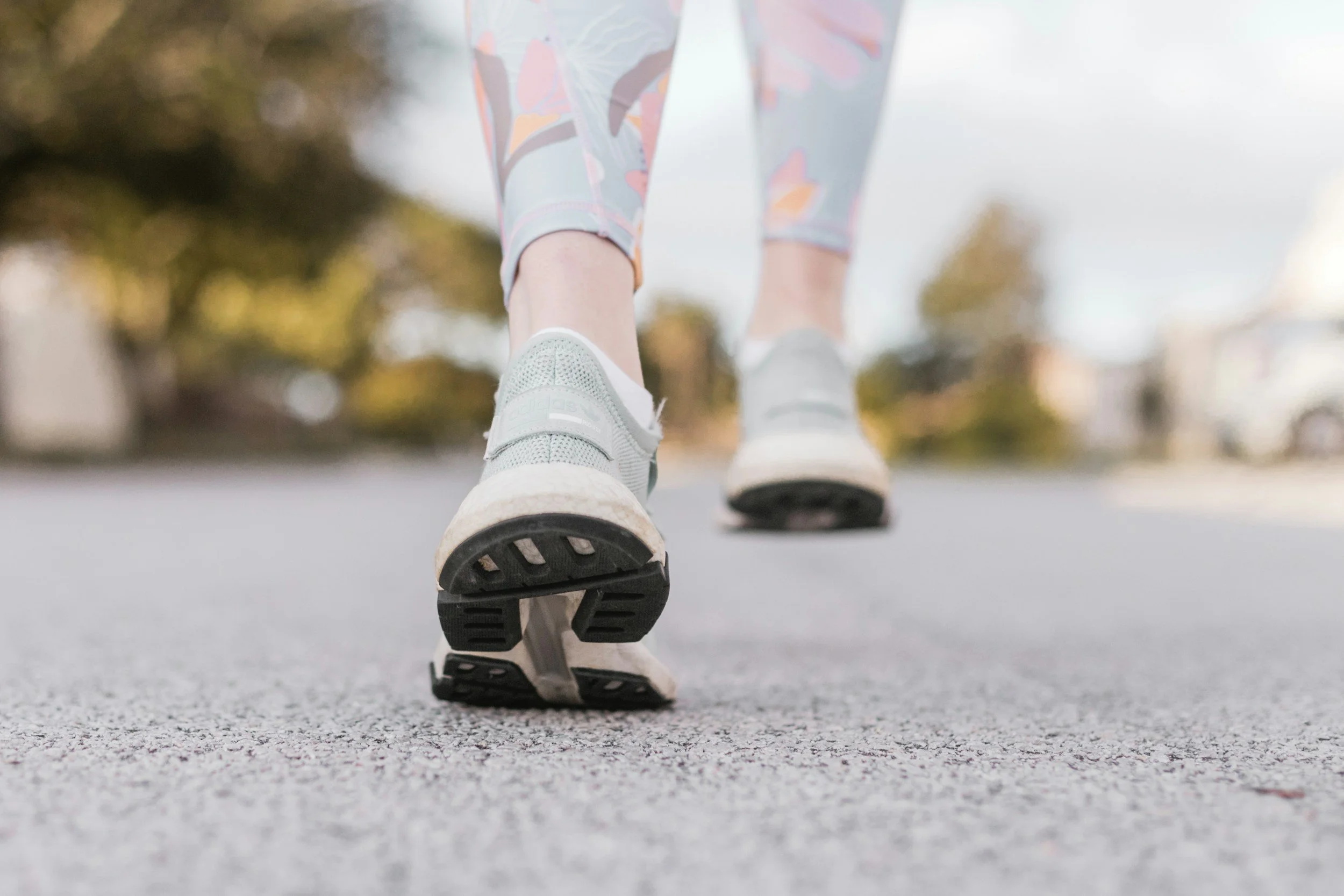
When most people picture “getting in shape,” they imagine the gym — barbells clanging, treadmills humming, mirrors everywhere. But plenty of people wonder:
“Can I just get fit doing outdoor activities? Do I really need the gym?”
It’s a great question. And the answer isn’t a simple yes or no.
I’ve worked with many clients who love being outside and staying active in natural ways — walks in the park, playing sports, or simply moving throughout their day. These activities are fantastic for your health and mental well-being. But here’s the thing:
Sometimes, even simple daily activities can become uncomfortable — or downright exhausting — without a solid foundation of strength, mobility, and stability. That’s where the gym comes in.
Let me share a quick story.
When Day-to-Day Life Starts Feeling Harder
About six months ago, a client — I’ll refer to him as Alex here to protect his privacy — joined us for personal training. He’d never set foot in a gym before. His goal was to feel better moving through everyday life, stay active outdoors, and simply enjoy life without physical limitations.
But Alex came to see us because his body was starting to hold him back. He was dealing with:
Shoulder pain whenever he tried to lift his arms overhead — like washing windows or reaching high shelves
Elbow pain during basic daily tasks
Feeling unusually tired and lacking stamina for simple activities
These aches and fatigue weren’t from intense workouts. They were creeping into normal life. Even routine chores were starting to feel draining and frustrating.
He shared with me that it’s frustrating not being able to do basic daily things without feeling discomfort.
My response?
“That’s exactly why we’re going to train in the gym.”
The Gym Isn’t the Goal — It’s the Tool
A lot of people see gym training as an end in itself — lifting heavy weights, chasing PRs, or building muscle for aesthetic reasons. There’s nothing wrong with any of those goals. But for people like Alex (and perhaps you), the gym is simply a tool.
We use it to:
Build strength and stability around joints
Improve mobility so movements feel smoother
Train muscles evenly (not just the ones your favorite activities use)
Reduce pain from muscular imbalances or weaknesses
Improve stamina and energy for day-to-day life
In Alex’s case, a few months of structured strength training completely changed his daily experience. He could raise his arms overhead without discomfort. His arms didn’t get tired during everyday tasks. His energy levels were higher, and he felt stronger and more capable.
We didn’t train him to be a bodybuilder. We trained him so he could keep enjoying his daily life — pain-free and with more confidence.
That’s the part many people miss:
You don’t go to the gym just to get better at gym stuff. You go to the gym to get better at life.
Why Outdoor Activity Alone Might Not Be Enough
Outdoor activities are incredible for:
Cardiovascular health
Mental health and stress relief
Enjoyment and social connection
General movement and calorie burn
But many day-to-day movements require strength, balance, and joint stability that outdoor activity alone might not fully train.
Simple tasks like lifting groceries, reaching overhead, or carrying objects require:
Shoulder and core stability
Upper-body strength
Endurance and muscle stamina
Without some form of resistance training, you may start to develop:
Overuse injuries
Muscle imbalances
Joint pain
Reduced mobility and fatigue over time
Strength training fills those gaps.
It doesn’t mean you have to become a “gym rat.” Just 2-3 gym sessions per week can make a massive difference — improving how your body handles both everyday tasks and the hobbies you love.
If you’d like to learn more about designing a sustainable program, check out our guide onWorkout Smarter, Not Harder: Designing a Fitness Program You’ll Actually Stick to.
You Can Absolutely Get Fit Outside — But Know Your Limits
So can you get in shape without going to the gym?
If you’re healthy, pain-free, and simply looking to move for fun and mental health — outdoor activity is fantastic.
But if you’re dealing with pain, fatigue during everyday tasks, or want to protect your body long-term, the gym is an incredibly powerful ally.
Ultimately, it’s not either/or. Outdoor activities keep your heart and spirit happy. The gym helps your body stay strong enough to enjoy those activities — and daily life — for decades to come.
As we often remind clients, consistency beats perfection. You don’t have to train five days a week. Many clients thrive on just 2-3 focused sessions paired with the activities they love.
And if you’re new to strength training, check out The Beginner’s Guide to Kickstart Your Fitness Journey for practical steps to get started.
Ready to Train for the Life You Love?
Whether you’re an outdoor enthusiast or simply looking to move through daily life without pain and fatigue, strength training can help you do more of what you love — and do it better.
Curious how it might work for you?
Schedule a free assessment with one of our trainers. We’ll help you design a plan that fits your lifestyle, goals, and the activities you care about most.
Because the goal isn’t just to train harder. It’s to live life better.
The Science of Recovery: Why Rest Days Are Your Secret Weapon
As health and fitness professionals, we see it all the time: people who think more is always better. But here's the truth – your rest days are when the real magic happens.

As health and fitness professionals, we see it all the time: people who think more is always better. They want to train seven days a week, believing that rest days are for the weak.
And oftentimes, they think their workout isn’t effective unless they are crawling out of the gym at the end. But here's the truth – your rest days are when the real magic happens.
But before we dive into that, I want to acknowledge this mindset around doing more. I completely understand where you’re coming from. It’s normal to think that you must work harder, for longer, more often, to see results.
As with most things in life, there is always a balanced sweet spot.
Your Body's Hidden Workshop
When you lift weights or push through a challenging workout, you create tiny tears in your muscle fibers. The muscle repairs and adapts (becomes stronger), and through progressive overload, you can keep this cycle going to increase muscle strength.
But here's the kicker – those muscles don't grow stronger during your workout. They rebuild and grow during recovery. So if you’re constantly pushing to the limits, having less time to recover, can you see how this might be a problem?
The 48-Hour Rule (And Why It Matters)
Science shows us that muscle protein synthesis – the process that builds new muscle tissue – peaks around 24-48 hours after your workout. This means that rest isn't just recommended; it's physiologically necessary for progress.
When you train the same muscle groups day after day without adequate recovery, you're interrupting this crucial rebuilding process. Instead of getting stronger, you're actually breaking down faster than you can build up.
What Happens When You Skip Recovery
Performance Plateau: Without proper rest, your performance stagnates. That bench press that felt manageable last month? It stays exactly the same.
Increased Injury Risk: Fatigued muscles can't protect your joints effectively. Those "tweaks" and minor injuries become more frequent.
Hormonal Chaos: Chronic overtraining elevates cortisol (stress hormone) and can suppress testosterone and growth hormone – the very hormones you need for muscle growth and fat loss.
Mental Burnout: Your motivation starts to tank when every workout feels like you're pushing through quicksand.
Active Recovery: The Sweet Spot
Rest doesn't mean becoming a couch potato. Active recovery keeps blood flowing to your muscles while giving them a break from intense stress.
Light Movement: A 20-minute walk, gentle yoga, or easy swimming
Mobility Work: Spend 10-15 minutes on stretching, foam rolling, or a lacrosse ball for deeper myofascial release
Low-Intensity Activities: Casual bike ride, playing with your kids, or doing some light gardening
The key is keeping your heart rate low and avoiding anything that creates significant muscle fatigue.
Sleep: Your Ultimate Recovery Tool
We sleep for ⅓ of our lives, it’s pretty important to get this dialed in. During deep sleep, your body releases growth hormone, repairs damaged tissue, and consolidates the adaptations from your training.
Aim for 7-9 hours of quality sleep. This isn't negotiable if you want optimal results from your training.
Create a sleep sanctuary: Cool, dark room with minimal distractions
Establish a routine: Same bedtime and wake time, even on weekends
Limit screens: Blue light can interfere with melatonin production
Nutrition for Recovery
What you eat after training directly impacts how well you recover. Your body needs building materials to repair and grow stronger.
Protein: Aim for approximately 1g protein per lb of bodyweight each day
Carbohydrates: Replenish glycogen stores with quality carbs, especially after intense sessions
Hydration: Ensure that you’re consuming enough water each day and don’t wait until you feel thirsty
Anti-inflammatory foods: Berries, leafy greens, and omega-3 rich fish can help reduce exercise-induced inflammation
Signs You Need More Recovery
Your body is constantly sending signals about its recovery status. Learn to listen:
Persistent muscle soreness that doesn't improve
Declining performance despite consistent effort
Elevated resting heart rate
Mood changes or increased irritability
Frequent minor illnesses
Loss of motivation for training
The Bottom Line
Recovery isn't the absence of training; it's an essential component of it. Every time you prioritize rest, quality sleep, and proper nutrition, you're making a deposit in your fitness bank account. Or as James Clear said in his book, Atomic Habits, “Every action you take is a vote for the type of person you wish to become.”
The strongest people in your gym aren't necessarily the ones who train the most. They're the ones who train smart, recover well, and show up consistently over months and years.
Your next rest day isn't a day off from progress – it's a strategic investment in becoming the strongest, healthiest version of yourself.
Ready to optimize your recovery? Start by scheduling your rest days like you schedule your workouts. Your future self will thank you.
Level Up Your Nutrition Like a Video Game
Nutrition is a skill. Just like gaming, it has levels. And each level builds on the one before it. Let’s break it down, gamer-style.

Think back to the first time you played a video game. You didn’t start by battling the final boss or unlocking every achievement. First, you learned the controls. You figured out how the world worked, made a bunch of mistakes, and slowly got better.
That’s exactly how nutrition works. In fact, it is how all new skills are developed.
But for some reason, somewhere along the way, we bought into the idea that eating healthy means going from zero to perfect overnight. One day it’s fast food and soda. The next, we’re supposed to meal prep perfectly portioned macro meals and love kale smoothies. No wonder it never sticks.
We also recognize that there’s a variety of fitness myths out there, which leave people feeling more stuck. So we want to ensure you have everything that you need to succeed.
Here’s the thing: nutrition is a skill. Just like gaming, it has levels. And each level builds on the one before it. But in this instance, it doesn’t mean the highest level is the best. It just means it is more advanced for those who want that lifestyle. Our job is to provide you with the knowledge and tools to make those choices for yourself.
Let’s break it down, gamer-style.
Level 1: The Nutrition Newbie
📍 You’re here if:
Most meals come from takeout boxes or the freezer aisle.
Uber Eats is your most commonly used app.
Nutrition feels confusing, boring, or just not your thing.
Every “healthy eating” attempt has been short-lived.
✅ Main Mission:
Build awareness. Make small upgrades that don’t feel like punishment.
🔓 Skills to unlock:
Stay hydrated (aim for roughly 2.5-3.5 litres per day). These numbers will vary depending on activity levels, overall weight, and the climate that you live.
Add veggies to each meal —even breakfast.
Notice the difference between real hunger and stress or boredom. Next time you think “I’m hungry”. Drink a glass of water, wait 30 minutes and then see if you’re still hungry.
Read basic food labels (find protein, sugar, fiber).
Discover new protein sources—not just meat.
⚡️ Bonus Power-ups
Carry a water bottle you actually like using.
Buy pre-cut veggies to save time (yes, convenience counts).
Learn to make one healthy meal you enjoy.
Swap out your #1 food vice for a better version.
You may begin to write down what food you eat in a day. This is purely for awareness.
🏆 Level-Up Sign:
You hit your water goals most days without thinking. Veggies are showing up at every meal like it’s no big deal.
⚠️ Heads-Up:
Don’t start counting calories or cutting too many things just yet. That’s like trying to speed-run a game you haven’t even learned to play. Focus on adding good stuff first. You’ll naturally crowd out the junk later.
Level 2: The Strategic Eater
📍 You’re here if:
You're making better choices, just not consistently.
You know what healthy eating looks like, but it’s hard to stick to it.
Progress feels... stuck.
✅ Main Mission:
Create simple systems. Eat with intention instead of on autopilot.
🔓 Skills to unlock:
Build balanced meals: protein, veggies, smart carbs, and healthy fats.
Prep ingredients in advance (not full meals—think cooked chicken or roasted veg).
Eyeball portions using your hands (no need to weigh everything).
Plan for busy days instead of winging it.
Add protein to every meal and snack.
⚡️ Bonus Power-ups
Do a mini meal prep on Sunday (batch cook, chop, or portion ahead).
Stash emergency snacks in your car or desk drawer.
Keep fairly consistent meal times.
Know how to eat well even when dining out.
🏆 Level-Up Sign:
You rarely get caught hungry with nothing prepped. Grocery trips result in more whole foods and fewer impulse buys. Eating healthy feels doable, not draining.
⚠️ Heads-Up:
Still no need to get ultra-precise here. This level is about building momentum and making better choices easier to stick with—not about perfection.
Level 3: The Nutrition Tactician
📍 You’re here if:
Your eating habits are steady, and you want to fine-tune for specific results.
Fitness or body composition goals are now in focus.
You're curious about how food impacts your performance.
✅ Main Mission:
Start aligning your nutrition with your goals.
🔓 Skills to unlock:
Understand macronutrients and what they do.
Track meals occasionally (apps or journals).
Time your meals around workouts for energy and recovery.
Adjust eating based on training intensity or rest days.
Use carbs strategically for fuel, not just flavor.
⚡️ Bonus Power-ups
Use meal containers that match your macro goals.
Get good at estimating macros when eating out.
Test different pre- and post-workout meals.
Notice how food impacts your energy and focus.
Experiment with timing (e.g., earlier dinners, protein-rich breakfasts).
🏆 Level-Up Sign:
You know what your body needs before a workout or on a rest day. You can pivot your nutrition based on how you feel or what you’re training for. Food becomes a performance tool.
⚠️ Heads-Up:
Don’t let tracking become an obsession. If it starts feeling stressful, back off. You can still make great progress by focusing on food quality and consistency.
Level 4: The Nutrition Tactician
📍 You’re here if:
You’re training for a competition, event, or high-level fitness goal.
You’ve nailed the previous levels and want peak performance.
You’re after precision, not guesswork.
✅ Main Mission:
Optimize every part of your nutrition for high performance.
🔓 Skills to unlock:
Plan and track macros with intent.
Match your nutrition to training cycles and recovery phases.
Supplement smartly (based on your personal needs).
Fine-tune your micronutrients and hydration.
Identify foods that help or hurt your performance.
⚡️ Bonus Power-ups
Work with a nutrition coach or registered dietitian.
Use meal delivery tailored to your needs.
Create a custom supplement protocol.
Track how food impacts sleep, mood, and performance.
Use strategies for events (like sodium/water manipulation).
🏆 Level-Up Sign:
You can confidently adjust your food to match your goals and performance needs. Nutrition is no longer a guessing game—it’s a refined tool.
⚠️ Heads-Up:
Most people don’t need this level. It’s a full-time commitment, and usually only worth pursuing if you’re training competitively or professionally. More isn’t always better. Balance matters.
Bonus Level: Flex Mode
Here’s the real endgame—being flexible.
The reality is, most people won’t want or need to reach level 4. Many everyday athletes want to live a balanced life with good health and flexibility in their decisions. And this system will help you achieve the path that’s right for you.
You can follow your plan... but you don’t need to obsess over it. You know how to enjoy a birthday dinner guilt-free, eat well while traveling, or take a break during a hectic life season—and still stay on track overall.
Nutrition flexibility isn’t about letting go. It’s about not holding on too tightly.
Where Are You Right Now?
Be honest with yourself. Which level best describes where you’re at today?
No shame in starting at Level 1. Everyone does. The real mistake is skipping ahead before you’ve built the foundation.
Most people try to jump straight to macros and tracking apps when they haven’t even figured out how to drink enough water or cook a basic meal. That’s like trying to beat the final boss without knowing how to block.
Your Next Move
Pick one skill from your current level. Focus on just that for the next week. Once it feels like second nature, level up. Slow and steady always beats all-or-nothing. You can use a habit tracker if it helps, or see if a friend wants to join you on the challenge.
And don’t forget:
Master the basics before chasing advanced tactics
Small, consistent wins will always beat short bursts of perfection
Setbacks happen—don’t rage quit, just hit “continue”
The real win? Enjoying the journey while getting better over time
So, what level are you at right now? And what’s your next upgrade?
Common Fitness Myths Debunked: Separating Fact from Fiction
In the fitness world, misinformation spreads faster than post-workout soreness. From social media influencers to well-meaning gym buddies, everyone seems to have advice—but not all of it is backed by science.

In the fitness world, misinformation spreads faster than post-workout soreness. From social media influencers to well-meaning gym buddies, everyone seems to have advice—but not all of it is backed by science. These persistent myths can derail your progress, waste your time, and in some cases, even lead to injury.
I know how frustrating it can be to hear conflicting information on a range of fitness topics, so we want to help bring some light to all of that.
Let's cut through the noise and examine ten common fitness myths that just won't seem to die.
Weight Training Myths
Myth #1: Lifting weights makes women bulky
As trainers, this is something that we hear a lot. And while we empathize with the concern, we want to assure you that weight training is extremely beneficial to all.
The Reality: Women's hormonal makeup makes it more difficult to build large muscles. Women naturally have less testosterone than men, which is the primary hormone responsible for muscle growth. What weight training actually does for women is create lean, defined muscles while increasing strength and bone density.
The women you see with very large muscles are likely either genetically predisposed to more muscle growth or dedicated to specific training and nutrition protocols designed for competitive bodybuilding—it doesn't happen by accident!
Myth #2: You need to feel sore after every workout
It kinda makes sense that if you feel the physical impacts of your effort, it must be a good thing, right?
The Reality: Muscle soreness (technically called Delayed Onset Muscle Soreness or DOMS) is not an indicator of workout effectiveness. While beginners often experience soreness as their bodies adapt to new stimulus, regular exercisers may feel little to no soreness despite having productive workouts.
Certain types of workouts and programs would create more soreness, especially with the traditional bodybuilding style routines. We spoke about the idea of working out smarter, not harder in a previous post.
Better indicators of an effective workout include:
Improved performance over time
Ability to lift heavier weights or complete more reps
Better endurance
Improved technique
Myth #3: More gym time equals better results
2-hour gym sessions, 6 days a week is not optimal if you want to succeed.
The Reality: Your muscles don't grow during workouts—they grow during recovery. Overtraining can lead to decreased performance, increased injury risk, and hormonal imbalances. For most people, 3-5 quality strength sessions per week are plenty, with adequate rest days built in. You could some progress with as little as 3 x 30-minute sessions per week.
Remember: consistency over months and years beats intensity over days and weeks.
Nutrition Myths
Myth #4: You need to eat immediately after working out
This has been around for a long time, and I believe it’s even what I was taught when first learning about nutrition.
The Reality: The idea of a narrow 30-minute "anabolic window" has been stated as an oversimplification. While post-workout nutrition is important, research shows that total daily protein and calorie intake matter far more than precise timing for most recreational exercisers.
That said, if you're training fasted or it's been several hours since your last meal, having some protein and carbs within a couple of hours post-workout is a good practice—but there's no need to rush to your protein shake the second you rack the weights.
If you’re an advanced eater, professional athlete, bodybuilder, or someone who needs fine-tuning, it may help slightly. But for the average gym goer who is looking to be healthy and get in shape, it’s not a necessity.
Myth #5: Carbs are the enemy
Fruit is a carb that grows naturally on the earth as a food source. Say no more. Honestly, the carbs being the enemy thing… that’s one of the biggest and recurring myths I have ever seen in the fitness industry.
Specifically, it’s often seen to be bad in the context of losing weight. We’ll get to the weight stuff shortly.
The Reality: Carbohydrates are your muscles' preferred energy source, especially during high-intensity exercise. Low-carb diets can work for some goals, but they often lead to decreased performance in the gym.
I’m not here to knock any type of diet, but I do want you to make choices based on your preferences, not some myth.
Carbs are not bad, protein is not bad, and fat is not bad.
Read: 10 Smart Nutrition Habits for Busy Professionals
The type, timing, and amount of carbs should be tailored to your activity level:
More active individuals generally benefit from more carbohydrates
Complex carbs (whole grains, vegetables, legumes) provide sustained energy
Simple carbs can be strategically used around workouts when quick energy is needed
Myth #6: Protein supplements are necessary for muscle growth
Protein is necessary for muscle growth, but does it need to be from a shake?
The Reality: While convenient, protein supplements are just that—supplements to a whole food diet. Research consistently shows that similar results can be achieved through protein-rich whole foods like lean meats, eggs, dairy, and plant-based protein sources.
For muscle maintenance and growth, aim for 1.6-2.2g of protein per kg of bodyweight daily, spread across meals—regardless of whether it comes from food or supplements. I often use 1g of protein per lb of body weight.
Protein supplements can be a powerful way to help you meet your daily needs, but they aren’t essential. They often come in a form that’s nearly 100% protein, meaning there aren’t many calories from carbs and fat. This makes it an easy way to bump up your protein intake without adding additional calories on top.
Cardio and Fat Loss Myths
Myth #7: Cardio is the best way to lose weight
You can lose weight by doing cardio, but is it the best method?
The Reality: While cardio burns calories during the activity itself, strength training creates a metabolic environment that increases calorie burn for hours afterward. Moreover, the muscle gained through resistance training increases your resting metabolic rate long-term.
The most effective approach for most people combines:
Strength training to build and maintain muscle
Some cardio for heart health and calorie expenditure
Primarily focusing on nutrition for weight management
Myth #8: You can spot-reduce fat
I’m sorry to say this but… doing 1000 sit-ups every day won’t burn your belly fat away. That doesn’t mean these exercises are useless, but I want you to focus on what matters most.
The Reality: Despite the popularity of workouts promising to "blast belly fat" or "tone your arms," your body loses fat systematically, not from specific areas you target with exercise. Where you lose fat first is largely determined by genetics, gender, and age.
The most effective strategy for changing body composition is a combination of:
Strength training to maintain or build muscle
Modest caloric deficit through diet
Patience and consistency (spot reduction may be a myth, but overall fat loss is very real!)
Exercise Form Myths
Myth #10: Progress only means lifting heavier weights
The Reality: If we only measured progress by how much weight we lift, we'd quickly reach a problem—as I often tell clients, "If you added weight every week, you'd run out of things to lift in a few months!"
True fitness progression is much more nuanced than simply increasing the load. Progressive overload—the principle of gradually increasing the stress placed on your body—can be achieved through multiple methods:
Rep timing: Slowing down the eccentric (lowering) phase of movements or adding pauses at challenging positions increases time under tension without adding weight
Volume adjustments: Increasing sets or reps with the same weight
Rest period manipulation: Shortening rest periods between sets makes the same workout more challenging
Exercise variations: Changing grip, stance, or angle can target muscles differently
Advanced techniques: Incorporating supersets, drop sets, or giant sets increases workout density
Improved form: Executing movements with better technique often engages muscles more effectively
Enhanced mind-muscle connection: Greater focus and intention can increase muscle activation
Many experienced lifters maintain the same weights for years while continuing to see improvements by manipulating these other variables. This approach is often kinder to joints and more sustainable long term.
Progress should be measured holistically—improved endurance, better movement quality, enhanced recovery capacity, and even mental benefits are all valid indicators of fitness advancement.
The Takeaway
The fitness industry thrives on quick fixes and simple rules, but the human body is remarkably complex. What works best is usually:
Finding evidence-based information from qualified sources
Understanding principles rather than following rigid rules
Listening to your body and tracking your results
Being consistent with fundamentals rather than chasing trends
Next time you hear a definitive fitness claim, ask yourself: Is this backed by quality research? Does it make physiological sense? Or does it just make for a catchy social media post?
Remember, our trainers are always available to help separate fitness fact from fiction—just ask us about any concerns you have during your next visit!
Workout Smarter, Not Harder: Designing a Fitness Program You'll Actually Stick With
Let's be honest—there's something quite satisfying about the "classic" workout approach. You know the one: Monday is chest day, Tuesday is back day, Wednesday is legs... and by Friday, you're dragging yourself through arm exercises, wondering why you started this whole fitness thing in the first place.

Let's be honest—there's something quite satisfying about the "classic" workout approach. You know the one: Monday is chest day, Tuesday is back day, Wednesday is legs... and by Friday, you're dragging yourself through arm exercises, wondering why you started this whole fitness thing in the first place.
For many people, this approach still works well and they genuinely enjoy the process. Personally, this was the path that I fell in love with on my fitness journey.
But that doesn’t mean it’s the best approach for each person.
What if I told you there might be a better way for you? A way that doesn't leave you hobbling around for days, doesn't require you to practically live at the gym, and—wait for it—might actually deliver better results?
The Problem With Traditional Bodybuilding-Style Workout Splits
Let's take a trip down memory lane...
Traditional bodybuilding splits became popular during the bodybuilding boom of the 70s and 80s. These guys could train a muscle group to complete failure and still recover because, well, they had some "assistance."
For the average natural lifter with a job, family, and life outside the gym? Not so much.
Here's why the old-school approach might not be your best bet:
Poor recovery: Blasting a muscle group until it's toast means you need serious recovery time. Miss a workout, and your whole week is thrown off.
Life happens: Let's be real—if your program demands 5-6 days in the gym, life is gonna get in the way. Then you're playing catch-up or feeling guilty if you can’t make all of those gym sessions.
Motivation killer: Nothing makes you want to skip leg day like knowing you'll be walking around limping for a few days afterwards.
Finding Your Perfect Match
Instead of forcing yourself into a program designed for someone else's life, let's flip the script: design a program that fits your life.
Here's what actually matters for results:
Consistency (showing up regularly for a long time)
Progressive overload (gradually challenging your muscles)
Sufficient volume (enough total work)
Adequate recovery (letting your body rebuild)
Enjoyment (because if you hate it, you won't do it)
The Better Approach
Here are some examples based on different schedules, lifestyles, and goals. Let's match your life situation with a program style that'll work:
For the Time-Crunched Professional:
Full-body workouts 2-3 times per week
45-60 minutes per session
Compound movements that give you more bang for your buck
You train each muscle group multiple times per week, make efficient use of your time, and have flexibility if you miss a session.
For the 3-4 Day Sweet Spot Person:
Upper/Lower split or Push/Pull/Legs
Each workout is focused but not exhausting
3-4 days of lifting with optional active recovery
This is a balanced approach with good frequency, manageable soreness, and built-in recovery days.
For Those Who Love Daily Movement:
Push/Pull/Legs/Push/Pull/Legs/Rest
OR a body part split with better overlap
Lower intensity per session, higher weekly frequency
A daily routine without the constant fatigue. This might be better for those who prefer shorter, more frequent workouts.
These are some ideas to get you thinking about your training a little differently. Try to think about your goals, lifestyle, and what you’d realistically stick with.
Where Cardio Fits Into All This
Many people will follow a strength program and add in a sprinkle of cardio whenever they feel like it. The result? Compromised recovery, burnout, and less-than-optimal results for both strength and conditioning.
Instead, your cardio should complement your strength work, not compete with it. This is where efficient cardio conditioning comes in.
The right cardio approach can:
Improve your recovery between strength sessions
Enhance your overall work capacity
Burn calories without excessive fatigue
Boost your cardiovascular health
Actually make your strength workouts more productive
But the key word here is efficient. Traditional steady-state cardio for 45+ minutes might be unrealistic, especially if you're short on time. If so, adding 1 or 2 HIIT (High-intensity interval training) sessions per week can be helpful.
You might also want to consider playing a sport, going on a hike, or getting some other exercise out of a regular gym setting.
With all of that being said, the main point is to do something that works for you.
And you might be asking, “But what if I’m not seeing any results”?
Signs Your Current Program Isn't Right For You
Not sure if you need a change? Here are some red flags:
You're constantly sore (like, can't-sit-on-the-toilet sore)
You dread certain workout days
You frequently miss workouts due to time constraints
You're not seeing progress despite consistent effort
You feel beaten down rather than energized
Your cardio feels disconnected from your strength work
The Better Way: Integrated, Efficient Programming
The most successful fitness programs I've seen treat strength and conditioning as two sides of the same coin. They're integrated thoughtfully, not just stacked on top of each other.
What does this look like in practice?
Cardio that enhances rather than detracts from your strength work
Conditioning that fits into your available time
Workouts that leave you feeling energized, not defeated
A program you can actually maintain with your lifestyle
Take Your Fitness to the Next Level
This is why we've created our guide with 5 efficient workouts for cardio conditioning. These aren't your typical boring treadmill sessions. They're designed to:
Complement any strength program
Deliver maximum results in minimum time
Improve both strength and endurance
Fit seamlessly into busy schedules
Keep you engaged and motivated
These workouts can be added to your existing program or used as standalone sessions when time is tight. The best part? They're designed with recovery in mind, so they won't interfere with your strength progress.
Conclusion
Remember, fitness isn't about torturing yourself or following someone else's idea of the "perfect" routine. It's about finding sustainable ways to get stronger, healthier, and more confident in a way that’s sustainable for you. Sometimes that means breaking up with your old program and finding one that respects your time, energy, and life.
Your future self will thank you for it.
So, what does your current program look like? Are you stuck in the old-school approach, or have you found something that works for your lifestyle? Drop a comment below—I'd love to hear about it!
The Real Truth About Fat Loss (No Magic Pills Required)
We get it, weight loss can seem overwhelming with all of the conflicting information out there. But today, we're going to cut through all the noise and talk about what actually works for fat loss. No gimmicks, no fancy supplements, just straight-up science and real talk from someone who's been in the fitness industry long enough to see every trend come and go.

We get it, weight loss can seem overwhelming with all of the conflicting information out there.
You may have tried every diet under the sun. Keto, paleo, intermittent fasting, carnivore, and so on. And maybe some of them even worked... for a while.
But today, we're going to cut through all the noise and talk about what actually works for fat loss.
No gimmicks, no fancy supplements, just straight-up science and real talk from someone who's been in the fitness industry long enough to see every trend come and go.
The Simple (But Not Always Easy) Truth
Here it is, folks - the secret to fat loss: You need to burn more calories than you consume.
That's it. That's the tweet. Everything else is just details.
I know, I know. You're probably thinking, "That can't be it!" But it is. It's called energy balance, and it's as reliable as gravity. You can't argue with thermodynamics.
Why Everything Else Is Just Window Dressing
Let's bust some myths while we're here:
No, carbs aren't evil
No, you don't have to cut out all sugar
No, you don't need to fast for 16 hours a day
No, you don't need that $80 fat-burning supplement
These things might work for some people, but they work because they create a calorie deficit, not because they have magical properties.
So What Actually Works?
Losing weight is about identifying your TDEE (Total Daily Energy Expenditure) and ensuring you’re always slightly below that by controlling how much food you eat.
In theory, you can lose weight without even doing any exercise.
For example, a 500kcals deficit each day is the equivalent of around 1lb of fat loss per week.
Now, that’s all well and good. However, if you want to achieve optimal fat loss, increased strength, improved overall health, energy, and a range of other benefits, you’ll want to continue reading…
Here's my tried-and-tested approach that I've seen work with countless clients. It's not sexy, but it works:
1. Move Your Body (In Ways You Don't Hate)
Get at least 6,000 steps daily (your body doesn't care if it's a structured walk or just you pacing while on the phone)
Do resistance training 3 times a week for 45-60 minutes (builds muscle and turns your body into an efficient fat-burning machine)
Pick activities you actually enjoy (hate running? Don't run! Life's too short)
2. Eat Well (Most of the Time)
Aim for 80% whole, nutritious foods
Lots of veggies
Lean protein
Healthy fats
The other 20%? Live your life! Have the pizza, drink the wine, eat the cake at your friend's wedding
4. Make It Easy (Yes, Really!)
Want to work out more? Put your gym stuff near the door the night before. Want to eat better? Stock your fridge with pre-cut veggies at eye level. The easier you make it to do the right thing, the more likely you'll do it.
This comes from the 3rd principle in James Clears' book, Atomic Habits.
The 4 principles for creating habits are:
Make it obvious
Make it attractive
Make it easy
Make it satisfying
3. The Boring (But Important) Stuff
Sleep 7-9 hours
Drink 2-3 liters of water daily
Try to keep consistent sleep times
The Truth About Tracking
Here's something controversial but true: tracking your food intake works. Not forever, but at least initially. Why? Because most of us are terrible at estimating portions and calories.
Think of it like a budget. If you want to save money, you need to know what you're spending. Same goes for calories. You don't have to do it forever, but it's a powerful education tool.
Finding Your Sustainable Approach
Here's the real key to success: sustainability. The best fat loss plan is the one you can stick to. Period.
If intermittent fasting makes you want to bite someone's head off, don't do it
If meal prep bores you to tears, find another way
If you hate the gym, get your exercise elsewhere
A Day in the Life
Here's what this might look like in real life:
Morning:
Wake up at a consistent time
Drink water
Eat a breakfast you enjoy (yes, breakfast is optional)
During the day:
Get those steps in (take the stairs, park further away, walk while on calls)
Eat regular meals focusing on whole foods
Stay hydrated
Evening:
Resistance training (if it's a training day)
Eat dinner with your family
Get to bed at a reasonable time
The Bottom Line
Fat loss isn't complicated, but it's not always easy. It's about:
Creating a sustainable calorie deficit
Moving your body regularly
Eating mostly nutritious foods
Getting enough sleep
Staying hydrated
Being consistent
No magic pills, no crazy restrictions, no unnecessary rules. Just solid principles applied consistently over time.
Your Action Plan
Start tracking your food (just to learn)
Get moving (in ways you enjoy)
Focus on whole foods (but don't stress about treats)
Get your sleep sorted
Drink your water
Be patient (results take time)
Remember, the goal isn't to be perfect. The goal is to be consistent enough that results become inevitable.
Ready to get started? Pick ONE thing from this list and focus on it for the next two weeks. That's it. Small steps, big results.
And hey, if you need more guidance, that's what we're here for. Drop a comment below with your biggest fat loss challenge—let's tackle it together!
Skip the Resolution, Create a Lifestyle: A Trainer's Guide to Lasting Change
Let's have an honest chat about New Year's resolutions. You know the drill—January 1st rolls around, and suddenly everyone's hitting the gym at 6 AM, meal prepping, and swearing off sugar forever. Sound familiar?

Happy New Year!
Let's have an honest chat about New Year's resolutions.
You know the drill—January 1st rolls around, and suddenly everyone's hitting the gym at 6 AM, meal prepping, and swearing off sugar forever. Sound familiar?
Here's the thing—as a trainer, I've seen this cycle repeat year after year. And you know what? It's not your fault if those resolutions haven't stuck. The problem isn't you—it's the whole resolution approach itself.
Why Resolutions Usually Backfire
Let me share something from my experience - every January, gyms get way busier.
By March? It's back to the regular crew. But some people do stick around, and I've noticed they do things differently. They're not the ones who dove in headfirst with dramatic changes.
Traditional resolutions often fail because:
They're too extreme ("I'll work out 7 days a week!")
They lack a solid foundation ("I'll completely change my diet overnight!")
They're based on motivation rather than systems ("I'm feeling super motivated right now!")
They’re based on other people’s ideas with no real thought to what is important to the individual (“I think I need to exercise.”)
The internal shifts don’t happen (“I’m not a fit person.”)
The Lifestyle Approach: What Actually Works
Instead of making sweeping declarations this New Year, let's talk about building a lifestyle that naturally supports your goals. Here's what I've seen work time and time again:
1. Start With Your Why (But Make It Real)
Don't just say "I want to get fit." Dig deeper. Maybe you want to have enough energy to play with your kids without getting winded. Or perhaps you want to feel confident in your favorite clothes again. Whatever it is, make it personal and meaningful to YOU.
Here is an incredibly powerful exercise that you can try to get clarity on your true, meaningful, and genuine reasons for fitness goals. It’s called the 5 Why’s.
The purpose is to get to the emotional meaning and drivers behind it all. It may come to you before 5 turns, or it may take a few more.
I’ll share an example.
Step 1:
Q: Why do you want to lose 15lbs of body fat?
A: So I can look good in my bikini.
Step 2:
Q: Why does that matter to you?
A: So I can feel happy and confident in myself.
Step 3:
Q: Why does that matter to you?
A: Because I care about my mental and physical well-being.
Step 4:
Q: Why does that matter to you?
A: Because I want to live a long and healthy life.
Step 5:
Q: Why does that matter to you?
A: I want to be a good parent, have energy, and care for my loved ones.
Either of the above responses is acceptable. The purpose of this exercise is to find the motives for yourself so you can remind yourself why you’re doing this.
2. Build Systems, Not Goals
Here's a game-changer: instead of setting a goal like "lose 20 pounds," create a system like "prep my lunch three times a week." Goals are about the destination; systems are about the journey. And trust me, the journey is where the magic happens.
You still want to have a specific goal, let’s get that straight.
But you will succeed in the achievement of it through systems. These are the habitual routines and practices that enable you to achieve the desired goal.
3. The Power of Tiny Wins
Oftentimes, many clients will share an initial goal that they have—lose 20 lbs, build 15 lbs muscle, get a 6 pack, run a half marathon, etc.
Now, if you only focus on the main outcome, it will feel frustrating at times. It’s important to recognize all of the tiny wins. You may want to consider some of the following…
Did you do what you said you were going to do?
How many habits did you stick to this week?
Has your strength increased?
How is your sleep improving?
How are you managing stress?
How are your overall energy levels?
The reason is, that you will see many improvements across your entire well-being and life. Don’t forget to take notes and give yourself a pat on the back.
4. Make It Easy (Yes, Really!)
Want to work out more? Put your gym stuff near the door the night before. Want to eat better? Stock your fridge with pre-cut veggies at eye level. The easier you make it to do the right thing, the more likely you'll do it.
This comes from the 3rd principle in James Clears' book, Atomic Habits.
The 4 principles for creating habits are:
Make it obvious
Make it attractive
Make it easy
Make it satisfying
Creating Your Lifestyle Blueprint
Here's how to put this into action:
Pick ONE area to focus on first
Don't try to change everything at once
Master one habit before adding another
Give yourself at least 2-4 weeks with each change
Consider starting with the lowest-hanging fruit (That one thing that would create a lot of change, e.g. no snacking after 7 pm).
Set up your environment for success
Remove obstacles to good habits
Make unhelpful choices less convenient
Put your gym bag by the door
Prep your coffee maker the night before
Track what actually matters
Forget about the scale for now
Focus on actions, not outcomes
Did you follow through with your system today?
Celebrate the small wins
The Reality Check Section
Let's keep it real—you will miss days. You'll have setbacks. Life will throw curveballs. The difference between a resolution and a lifestyle is how you handle these moments.
With a resolution, missing a day feels like failure. With a lifestyle approach, it's just a normal part of the journey.
Your Action Plan for Success
This week:
Pick your ONE focus area
Create one tiny, ridiculously easy habit
Set up your environment to support it
Next few weeks:
Stick to that ONE thing
Notice what works and what doesn't
Adjust as needed (but keep it simple!)
Moving forward:
Gradually build on your success
Add new habits only when ready
Keep checking in with your 'why'
Final Thoughts: The Long Game
Remember, you're not on a diet or a workout plan—you're building a lifestyle. There's no finish line, no "perfect" way to do it. It's about progress, not perfection.
Think about where you want to be next December, not just next month. That's the real goal—creating changes that become so natural, that you don't even think about them anymore.
So this January, while everyone else is making resolutions, you'll be doing something different. You'll be taking the first small step toward a lasting change. And that's what really matters.
Ready to skip the resolution and create your lifestyle? Start small, trust the process, and remember - you've got this!
If you’d like some professional guidance on your journey, you can learn more about our services and how we can help you.
Beat the Winter Blues: Essential Fitness and Wellness Gear for Staying Active
Let's be real - winter can be tough on our fitness motivation. (Especially for those of us who live in Canada). Those dark, cold mornings make staying in bed seem far more appealing than hitting a workout. With that being said, it’s possible to get yourself (or ask Santa) for some products to help you with your health and fitness, even during the holidays.

Let's be real—winter can be tough on our fitness motivation. (Especially for those of us who live in Canada). Those dark, cold mornings make staying in bed seem far more appealing than hitting a workout. The holidays are also a time of celebration for many, which includes more parties, food, and mulled wine. In other words, fitness may seem more challenging.
With that being said, it’s possible to get yourself (or ask Santa) for some products to help you with your health and fitness, even during the holidays.
Here are some ideas for you.
Home Workout Solutions
During the holidays, or when times get busy, here are some solutions that will help you hit your health and fitness goals. Some of these can be transported easily for travel, while others may be kept at home.
We’ll break these down into sections for simplicity. However, many of the items can be used for strength training and cardio.
Compact Cardio Killers
Foldable Rowing Machine: If you're tight on space, this is your new best friend. It’s a great workout for your overall fitness and cardiovascular health.
Bike Trainer: If you own a bike, this is a great way to hit your cycling miles from the comfort of your own home.
Resistance Bands Set: Lightweight, cheap, and works for every muscle group.
Strength Training Without the Gym
Adjustable Dumbbells: Save space and money. One set that replaces an entire rack of weights? Yes, please.
Kettlebell: Versatile, fun, and can transform your living room into a full-body workout zone. You may want to opt for a few different weights or pick a moderate weight that can be used for various exercises.
TRX/Suspension Trainer: These are lightweight, portable, and fantastic. We use several of these in our gym, but they’re also great for travelling or home use.
Mental Wellness Boost
Fitness isn't just physical, especially during winter. These tools can help keep your mental game strong:
Light Therapy Lamp: Combats those winter blues by mimicking natural sunlight. Game changer for mood and energy.
Meditation App Subscription: Apps like Headspace can be your pocket-sized zen master.
Weighted Blanket: Not exactly fitness gear, but crucial for recovery and stress management.
Tech That Motivates
Sometimes you need a little digital push:
Smart Fitness Tracker: Track everything from steps to sleep. Motivation in wearable form.
Peleton: Exercise alongside your friends from across the pond.
Nutrition and Supplement Support
For any nutritional or supplementation, it’s always best to consult with a dietician or healthcare professional who can give accurate information for your specific needs.
This website is a good place to check the quality of what is on the market: labdoor.com
Recovery is King
Don't forget to take care of your body:
Foam Roller: These can offer some relief to muscle tension as a recovery tool. They also may help to temporarily increase your mobility for common tight areas.
Percussion Massage Gun: These are similar to a foam roller, but generally a bit more comfortable as you have more control over the pressure.
Compression Gear: Can help with muscle recovery and also play an important roll in keeping your warm during the winter months. You may find tops, pants, t-shirts, or other compression pieces for specific muscle groups.
Wrapping It Up
Pro Tips for Staying Motivated
Set up a dedicated workout space, even if it's just a corner of your living room.
Schedule your workouts like important meetings.
Mix it up - don't do the same routine every day.
Be kind to yourself. Some movement is always better than no movement.
Winter doesn't have to mean fitness hibernation. With the right gear, a bit of creativity, and a dash of motivation, you can stay healthy and keep progressing.
Remember, it's not about being perfect—it's about showing up for yourself, even when that warm bed is calling your name.
Stay warm, stay motivated, and let's make this winter our healthiest yet!
Staying Fit While Traveling: A Balanced Approach
As a personal trainer, one of the most common concerns I hear from clients is how to maintain their fitness routine while travelling. Whether it's a short business trip or an extended vacation, the challenge of staying in shape away from home is real. But with the right mindset, nutrition strategies, and exercise plan, you can enjoy your travels without derailing your fitness goals. Let me share some insights and practical tips I've gathered from my own experiences over the years of travel and training.

As a personal trainer, one of the most common concerns I hear from clients is how to maintain their fitness routine while travelling. Whether it's a short business trip or an extended vacation, the challenge of staying in shape away from home is real. But with the right mindset, nutrition strategies, and exercise plan, you can enjoy your travels without derailing your fitness goals. Let me share some insights and practical tips I've gathered from my own experiences over the years of travel and training.
Mindset: Setting Realistic Expectations
The key to success lies in your approach.
Before you even pack your bags, take a moment to set realistic expectations for yourself. Some people go away because they want to relax completely. Others may want a more active trip full of movement and adventure.
You may not be looking to hit PRs while away, but just to maintain your routine with much less intensity. Knowing your own ideals will help you both physically and mentally.
From personal experience, I've found that being okay with your decisions is crucial. Often, people feel guilty about indulging in local cuisine or missing a workout, which can lead to negative emotions and a less enjoyable trip. Instead, I encourage my clients to view their journey as an opportunity for balance.
Before each trip, I set clear intentions. For instance, on my last vacation, my goal was to maintain my fitness routine while allowing myself to relax more with my eating habits. This approach lets me enjoy the best of both worlds – I stay active and healthy while savouring new culinary experiences without guilt.
Nutrition: Finding Balance on the Road
Nutrition can be tricky when you're away from your usual routine, but it doesn't have to derail your progress. Here are some strategies I use and recommend:
Research in advance: Look up healthy restaurant options near your accommodation. Many places will have options for salads, smoothies, protein-rich foods, and fresh food to help you feel good.
Pack smart snacks: Bring protein bars, nuts, or fruits for when healthy options aren't readily available. Some clients take travel packs of protein powders and green supplements to fill in the gaps while on the road.
Stay hydrated: Travel often leads to dehydration, which can be mistaken for hunger. Wherever and whenever possible, find ways to consume water frequently. Whether that’s buying large bottles, keeping a water bottle on you, or getting into the habit of drinking multiple cups at a restaurant.
Practice mindful eating: Enjoy local specialties but in moderation. Savour each bite and listen to your body's hunger cues. I find that it’s easier to be present while travelling. You’re out of your normal environment and this allows you to take in more of each moment, including the food.
Plan your indulgences: If you know you'll want to try a famous local dish or a 9-course meal, plan for it and adjust your other meals accordingly. This is a powerful strategy that you can apply all of the time. Pick a day when you’re not as busy, skip a meal or 2 here and there, and you’ll naturally eat less food. This means you can truly enjoy your indulgence without the fear of eating too many calories.
Remember, it's okay to relax your eating habits a bit while travelling. The key is finding a balance that allows you to enjoy your trip without completely abandoning your nutritional goals.
Exercise: Maintaining Consistency Away from Home
planning, it's entirely achievable. Here’s some ideas for you to try:
Research beforehand: I always check if my hotel has a gym or if there are nearby fitness centers I can use.
Pack resistance bands: They're lightweight, versatile, and great for a quick workout in your hotel room.
Explore active sightseeing: Walking tours, hiking, or renting a bike are great ways to stay active while experiencing your destination.
Use bodyweight exercises: Push-ups, squats, lunges, and planks can be done anywhere, no equipment needed.
Try local fitness classes: It's a fun way to stay active and immerse yourself in the local culture.
My personal strategy is to aim for at least 3 gym workouts per week when possible. When it isn’t, I’ll do a bodyweight workout room in the hotel room if it’s all I have available. This helps me maintain my fitness habits without feeling like I'm sacrificing my vacation experience.
Conclusion: Planning and Balance are Key
In the end, staying fit while traveling is all about planning and balance. But each person will have their ideas on what works best for them. By setting realistic expectations, allowing yourself some flexibility with nutrition, and finding creative ways to stay active, you can enjoy your travels without compromising your fitness goals.
Remember, the frequency of your travels matters too. If you're on the road every month, you might need a stricter routine. But for most of us, a 2-3 week vacation can be enjoyed with some well-planned work in advance.
The most important thing is to find an approach that works for you. Travel is about new experiences and enjoyment – your fitness routine should enhance that, not hinder it. With the right mindset and strategies, you can return from your trip feeling refreshed, culturally enriched, and still on track with your fitness journey.
Safe travels and happy training!
Mastering the Pull-Up: Your Gateway to Upper Body Strength
Today, we’re going to dive into one of my favourite exercises — pull-ups. And while some of you may already be able to perform a pull-up, many of you won’t be there just yet, and that’s okay. For those who aren’t there (just yet), we’re going to lay out some principles and tips that will allow you to progress to that point. And for those that can, we’ll give you some ideas for progression.

Today, we’re going to dive into one of my favourite exercises — pull-ups. And while some of you may already be able to perform a pull-up, many of you won’t be there just yet, and that’s okay. For those who aren’t there (just yet), we’re going to lay out some principles and tips that will allow you to progress to that point. And for those that can, we’ll give you some ideas for progression.
If you ask any fitness professional, most would put pull-ups in there as a staple upper-body exercise. But I get it, pull-ups can be tough, especially if you're newer to strength training. That's why I wanted to break down why they're so beneficial, what muscles they work, and most importantly, share some practical tips to help you progress towards pull-up mastery.
The Benefits of Pull-Ups
First up, why are they so good?
Pull-ups are a compound exercise that targets multiple major muscle groups at once. We're talking about your lats, biceps, shoulders, and your core. By strengthening all these areas, pull-ups boost your overall upper body strength and pulling power. They're also a great way to build grip strength, essential for many other exercises.
Because of the muscles involved, they’re a fantastic movement for assisting in fat loss. Building lean muscle is like turning your body into a fat-burning machine.
Another benefit that’s often spoken about in the physique-building communities is that pull-ups will help make your waistline appear narrower. That’s because you’ll be increasing muscle to the upper part of your back, giving an illusion of a smaller waistline.
Are Pull-Ups Suitable for Everyone?
Because of the difficulty involved with pull-ups, it must be stated that they aren’t suitable for everyone, all of the time. If you’re trying to lose a significant amount of weight, it would be better to start with something such as TRX rows. And if you have any injuries, you might want to consider consulting with a physiotherapist first.
At Everyday Athletes, we have trainers and kinesiologists who can help you using a structured program with personal coaching. You can schedule a complimentary assessment.
Key Muscles Worked
As I mentioned, pull-ups work a variety of muscle groups, but there are a few key players:
Latissimus Dorsi (Lats): These large back muscles are the primary movers responsible for the pulling motion.
Biceps Brachii: Your biceps assist in flexing the elbows to lift your body up.
Posterior Deltoids: These shoulder muscles help extend the arms.
Infraspinatus: This shoulder muscle works to externally rotate the arms.
Trapezius: The traps help to stabilize the shoulder blades during the movement.
Rhomboids: These back muscles retract the shoulder blades, assisting the pull.
Teres Major: This small shoulder muscle extends, adducts, and medially rotates the arm.
Subscapularis: An internal rotator of the shoulder joint.
Forearms: Gripping the bar engages the forearm flexors and extensors.
Core Muscles: Your abs and lower back muscles have to work overtime to stabilize your body throughout the movement.
Progressing Towards Pull-Up Mastery
Okay, now for the good stuff - how do you actually get better at pull-ups?
Here are 5 strategies to help you build up that strength:
1. Start with Assisted Pull-Ups
If you're not quite ready for full-bodyweight pull-ups yet, no problem! Use a TRX, resistance bands, or an assisted pull-up machine to take some of that weight off. Gradually decrease the assistance over time as you get stronger.
2. Nail the Negative
Even if you can't do a full pull-up yet, you can still work on the eccentric (lowering) portion of the movement. Use a box or bench to jump up and grab the bar, then slowly lower yourself down. This helps build strength in the all-important pulling motion. Many clients find it much easier to lower themselves down than to pull themselves up.
3. Play with Grip Variations
Switching up your hand position can make pull-ups feel dramatically different. A narrow, palms-facing-you grip puts more emphasis on the biceps. A wider grip recruits more of the lats. Experiment to see what feels best for you.
I believe that a good longer-term goal for people to aim for is being able to do repetitions of a full range wide-grip pull-up.
4. Increase Time Under Tension
Instead of just blasting through the reps, try slowing down the concentric (pulling up) portion. Hold at the top for a 1-2 second count before slowly lowering back down. This extra time under tension is a game-changer.
Warning though, this is extremely challenging.
5. Add Resistance
Once you can knock out a few sets of 8-10 solid bodyweight pull-ups, it's time to kick things up a notch. Start using a weight belt or vest to add some extra resistance. Slowly increase the load over time as you get stronger.
We also created a short Instagram video to go through this. You can watch that here.
Conclusion
I know mastering the pull-up can feel like a daunting task, but I promise the journey is so worth it. Just stay patient, persistent, and keep progressing through these strategies. Before you know it, you'll be a pull-up pro!
If you need any help perfecting your form or programming pull-ups into your routine, don't hesitate to reach out. Oh, and don’t forget to work on your lower body too. You can get started by learning these 5 ways to squat without a barbell.
5 Ways to Squat without a barbell
No barbell? No problem! Today, we’ve got 5 squat variations that you can do anywhere. We get it - sometimes you can't make it to the gym, or maybe you're just starting out and aren't quite ready for the barbell yet. But that doesn't mean you have to skip leg day! As personal trainers, we're always looking for ways to help you stay fit and strong, no matter your circumstances.

No barbell? No problem! Today, we’ve got 5 squat variations that you can do anywhere.
We get it - sometimes you can't make it to the gym, or maybe you're just starting out and aren't quite ready for the barbell yet. But that doesn't mean you have to skip leg day! As personal trainers, we're always looking for ways to help you stay fit and strong, no matter your circumstances.
Before diving in, I think it’s important to set the stage. We’ll provide you with some pointers and instructions, but each person may differ slightly. We all have different body mechanics, limb lengths, and positions that feel comfortable. Over time, with an improvement in strength, mobility, and overall fitness, you’ll be able to progress. For now, avoid doing anything that causes pain.
Let's dive into five squat variations you can do without a barbell.
1. Bodyweight Squats
Let's start with the basics.
Bodyweight squats are perfect for beginners and pros alike. They're great for mastering proper form and can be surprisingly challenging when done in high reps or at a slower pace. You can also perform these if you’re short on time, traveling, or lack access to equipment.
How to: Stand with feet shoulder-width apart, lower your hips as if sitting back into a chair, and then push through your feet to stand back up.
Coach tip: I recommend creating a tripod-like pressure through the foot. One pressure point toward the heel, one at the base of the big toe, and one at the base of the small toe. This will create a strong and stable connection to the ground. (Use this method for all squat movements).
2. Jump Squats
Ready to add some cardio to your leg workout? Jump squats are your new best friend.
How to: Perform a regular bodyweight squat, but as you come up, explode into a jump. Land softly and immediately lower into your next squat. These will get your heart pumping and your legs burning in no time.
Coach tip: These can be quite intense and you may opt for an alternative if you’re a beginner. Alternatively, you can perform just a slight jumping motion without going too far off the ground. The good news is that you are in control of the intensity based on how much you put into the jumping motion.
These can work great as finishers towards the end of your workout.
3. Wall Sits
Wall sits are an isometric exercise that'll have your quads screaming (in a good way). They’re a safe and fantastic way to build leg strength.
How to: Find a wall, slide down into a seated position with your thighs parallel to the ground, and hold. Start with 30 seconds and work your way up. As you progress in time, you may also consider adding a weight to your thighs to increase the resistance.
Coach tip: You can place a small box, yoga block, or soft ball underneath as a backup for your bum. Oftentimes, as these get more difficult, your legs may want to give way. This is a safe and more comfortable way to end the movement.
4. Goblet Squats
Got a kettlebell or dumbbell lying around? Perfect for goblet squats! Many people find these much easier than barbell squats, especially when it comes to form and range of motion.
How to: Hold the weight close to your chest, then squat down, keeping your chest up and core engaged. This variation is great for working on squat depth and core stability.
Coach tip: Now there is an added weight, try to avoid bouncing into the squat. Work the full range of motion in a controlled manner.
5. Single-Leg (Pistol) Squats
Alright, we're cranking up the difficulty now. Pistol squats are a true test of strength and balance. Like most other exercises, there is a great series of progressions.
How to: Stand on one leg, extend the other in front of you, and lower yourself down as far as you can. Can't go all the way? No worries! Use a chair or bench for support as you build up your strength.
Coach tip: You can progress this movement using different height chairs or boxes. You can also begin to add both the concentric (standing up) and eccentric (sitting down) part of the movement. At first, it will be easier to practice just using the eccentric phase of the movement.
Conclusion
There you have it—five killer squat variations you can do anywhere, anytime. Remember, consistency is key in fitness. So even if you can't make it to the gym, you've got no excuse to skip leg day now!
If you’d like some personal help from our team, you can book a complimentary assessment to discuss your health and fitness goals in more depth.